
The Long Way Back to Japan
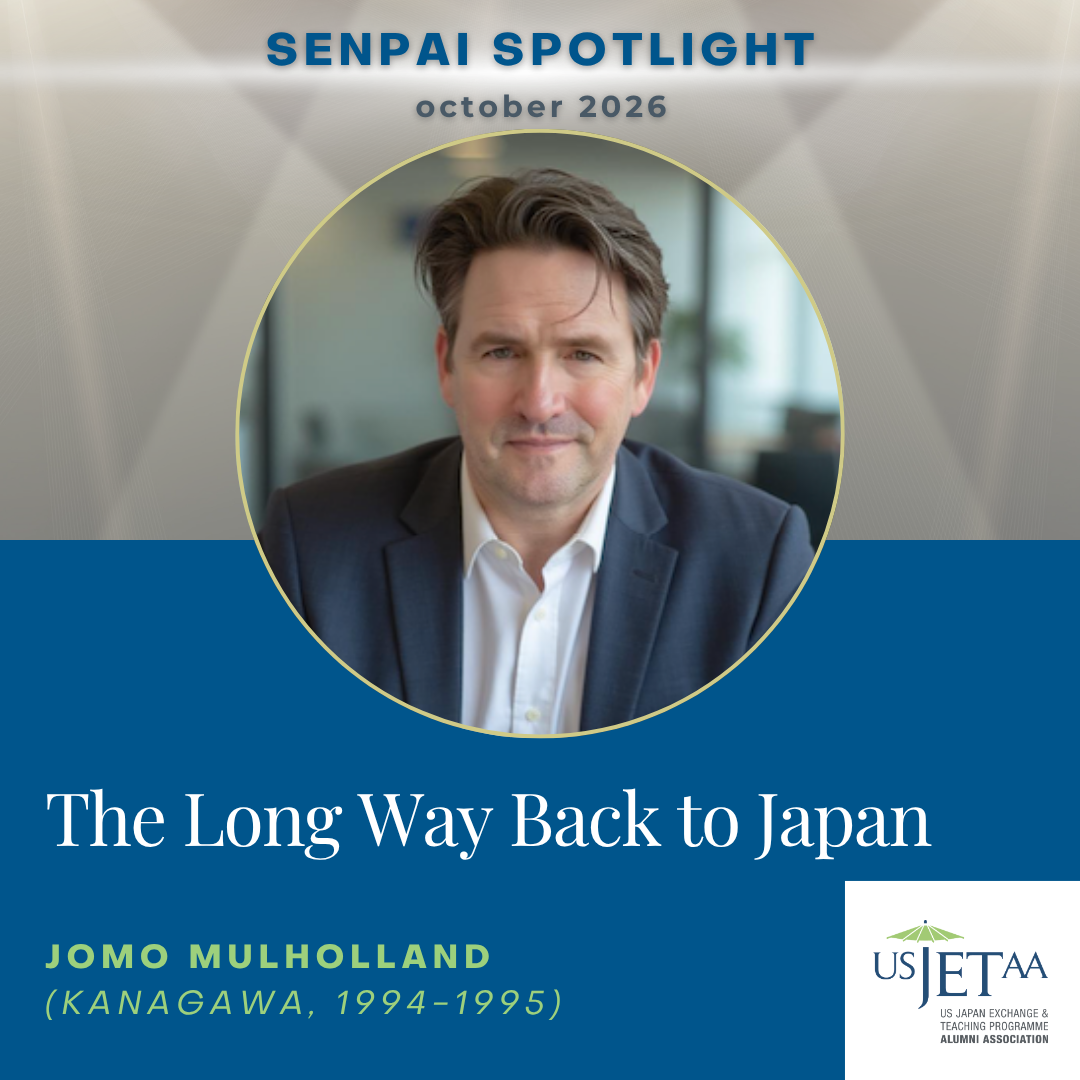
Jomo Mulholland (Kanagawa, 1994-1995)
Former Chief Operating Officer at The Martin Group
International Real Estate at Hokkaido Hobby Homes
Interviewed by Bobby Nawbary (Aomori, 2024-present)
It’s always been difficult to predict what Jomo Mulholland will be doing and where he’ll be. He’s often been willing to take on new challenges around the world. Despite Jomo’s success in the private and public sectors, working in fields such as venture capital, hospitality, translation, and overseeing multi-million dollar real estate investments, he finds himself coming back full circle to Japan after 35 years. The passion for connecting people that developed in the JET Program still guides him today. He now resides in Sapporo, Hokkaido, and helps others create meaningful lives in the prefecture through his work at Hokkaido Hobby Homes.
It was difficult to draw a straight line to Japan, given your upbringing in Virginia. What influenced you to want to live abroad?
Jomo's earliest memories beyond the town of Arlington, Virginia, where he was born, was of his grandfather. His worldview was stretched by stories of East Africa, East and South East Asia where his grandfather worked at the Department of Labour supporting newly democratic nations from the 1950s to the 1970s. In the background, his mother's groundbreaking civil rights activism in the Jim Crow South also imparted an awareness of cross-cultural communication and challenges. Arlington, being near Washington D.C., is a melting pot of different cultures and people.
“At this time, there was a lot of immigration from Southeast Asia, military families, and diplomats in the same suburbs. You got it all here! Some of my best friends growing up were actually from Laos and Vietnam. Early on I learned the world was not just black and white.”
Jomo became interested in what many of his friends were doing, including practicing Chinese martial arts and joining them at their part-time jobs.
“One of my first jobs was a dishwasher at a Japanese restaurant. Eventually, they taught me how to make sushi. I realized I enjoyed learning about the world and wanted to experience the places the people around me were from. So after graduating high school, it felt like the right course of study was in Foreign Affairs and East Asian studies at the University of Virginia .”
After graduation, you chose to go to Hokkaido. How did Japan capture your heart?
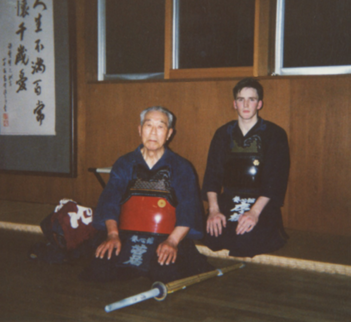
Jomo at his Kendo dojo.
During university he spent a year abroad in Sapporo in an intensive Japanese language study abroad university program. There he spent time in Hokkaido’s less explored regions, studying Japanese and trying his best to keep his head above water in a new environment. “I realized the opportunity cost of not diving into activities with the local students who had no interest in English. It was an intense year and I tried my best to use the Japanese I had been learning in class, reading the train advertisements, and talking with everyone I came in contact with…my homestay family was a great help - zero English.”
“Hokkaido, at this time, was becoming more international like lots of bubble-era Japan. My early experiences in Japan had a tremendous impact on showing me the importance of effort in learning Japanese (no matter how small) and communication for people to really open up. Following my interest in martial arts, I joined the university's Kendo club and the memories of practicing there and at the Hokkaido Jingu Shrine’s Dojo are memories I still treasure today (not to mention the dojo’s ofuro and Sapporo Beer donations).”
Jomo would go on to earn a Shodan rank in Kendo, as Hokkaido won over his heart.
You eventually came back to Japan through JET after some time in Indonesia. How was Japan different this time and led you to build a lasting connection to the country?
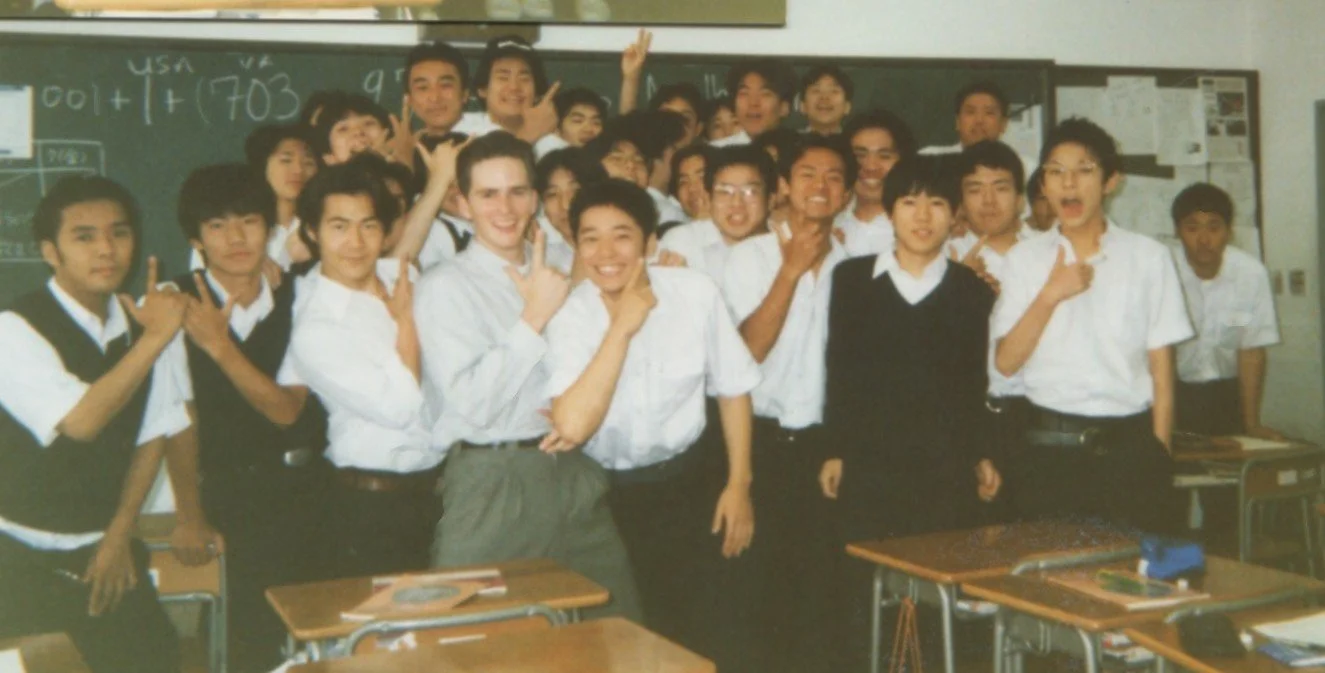
Jomo with students while on JET.
“I just started making calls to all the Asian embassies in D.C. … ‘Hello, Could you connect me to your Department of Education Division? Do you have any study abroad scholarships? Could you mail me the application?’”
Eventually he heard back from the Indonesian Ministry of Education. Two months after returning from Japan and still adjusting to reverse culture-shock being back in the US, Jomo was on a flight to Indonesia with no expectations. However, nothing could have prepared him for the drastic change in scenery.
“The U.S. to Japan was first world to first world. This was first to third, and the transition was very challenging. I got really homesick, and while I was happy to experience it and learn the language, I was itching to go somewhere I connected with more.”
Jomo returned for his 4th year at UVA and decided that Japan still had a lot more to explore. He applied to the JET Program and was greeted by a humid summer in Kanagawa where Jomo discovered his passion for teaching.
However, unforeseen circumstances brought some major challenges.
“During my JET year, the Kobe earthquake and the Tokyo Subway Sarin attack happened and the atmosphere in Japan changed. I saw news of Kobe school classrooms missing ⅓ of thier students and so on…After two positive years as a student and now a JET teacher, it was time to scratch other itches…”
After a year in Kanagawa, Jomo gained a new appreciation for Japan. But he had to figure out his next steps. Being from the D.C. area, he had an idea of where his interest in East Asia and elsewhere could take him. However, the foreign officer route wasn't quite what he had in mind. Jomo wanted to explore more of the world.
How did you find yourself using your experience abroad in the States?
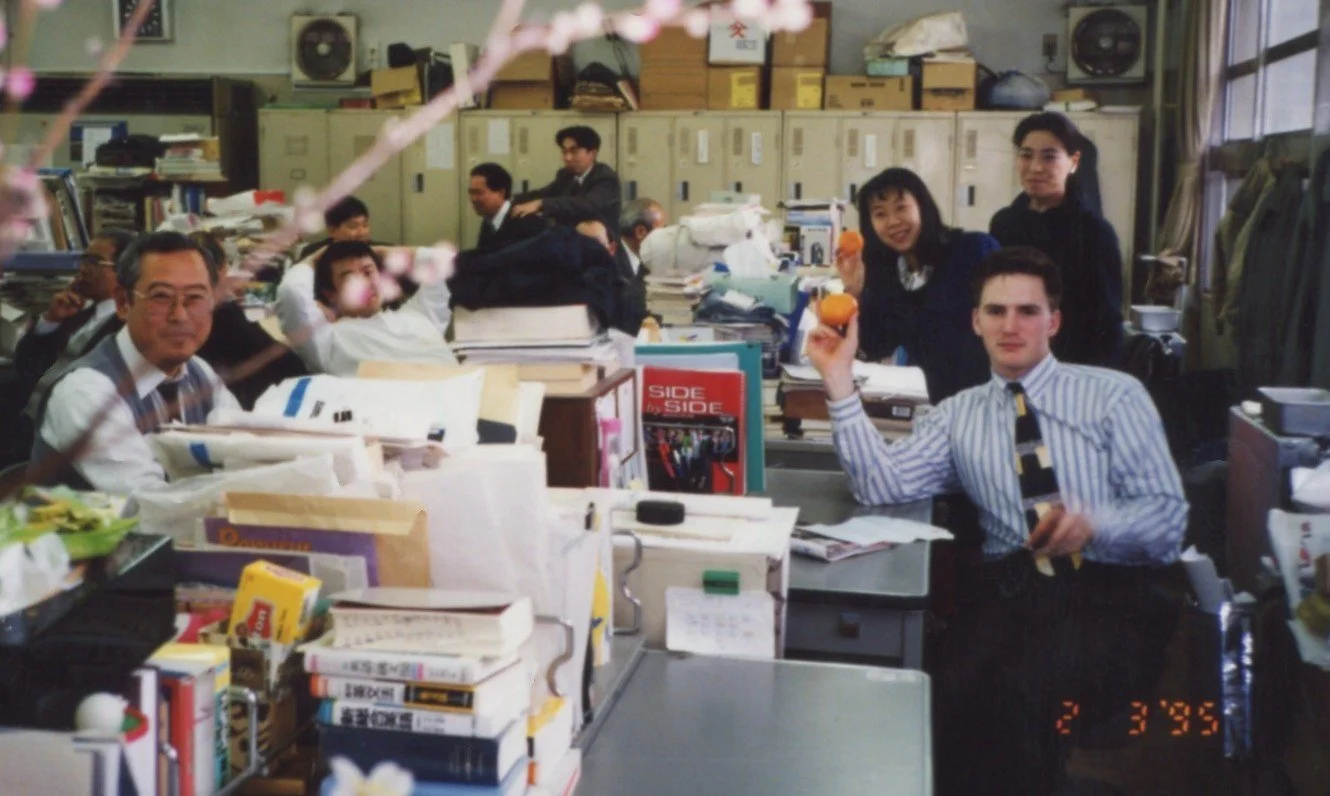
Jomo at his school’s English Department office.
“My goals at this point were to learn languages and expose myself to as much of the world as I could to discover what I disliked least for a career. However it seemed like the universe had slightly other plans for me as I found myself back in Japan."
Back in Japan, he found work as a rewriter and translator. Jomo still had aspirations of living somewhere new. But this time, it would be on the small island of Saipan. He met his wife, a co-worker and Japanese national, there. From teaching ocean sports and fire dancing to and moving to Maui to further his career in the hospitality industry, Jomo was quite literally island hopping.
“Living in Saipan and eloping with my future wife to Maui, I needed to show my wife's family that I was serious about settling down with their daughter and starting a family to gain their trust. It wasn't easy as her parents' families were victims of US firebombing. I wrote my future father in-law a long letter in Japanese explaining my ethics around family, etc."
Jomo knew that he wanted something sustainable, especially for his children. He wanted a strong educational system for them…the same kind of education he had received in Virginia. Jomo eventually returned home in 2008 - this time as a family of four. After years of adventure he started working in his friend's government contracting business which evolved into establishing their venture capital division. Despite his initial inexperience, he had a tremendous amount of confidence and transferable skills from living abroad.
“Getting into private equity and our varied business ventures was something I felt I could excel in. Operations, when you break it down, is just viewing things from multiple perspectives and making practical decisions. I was a professional Swiss cheese maker of sorts, poking holes in people's business plans and helping to improve them. These are all skills I gained while in Japan. All JETs have the ability to see things from a unique point of view and problem solve.”
The firm eventually grew and became very successful, Jomo oversaw multiple high profile projects. During this time he relocated to Los Angeles, where he lived for many years.
“My children are grown at this point and, coincidentally, both are about to graduate from colleges in Japan no less! My time with my friend's company was coming to a close after over 15 years. Now, I found myself in a similar spot I did years ago. I was looking for something new to get into.”
At this point, it seems you have to start over once again. Unfortunately, you’ve probably gotten good at this by now. Tell me about how you got to Hokkaido Hobby Homes and how this brings you full circle?
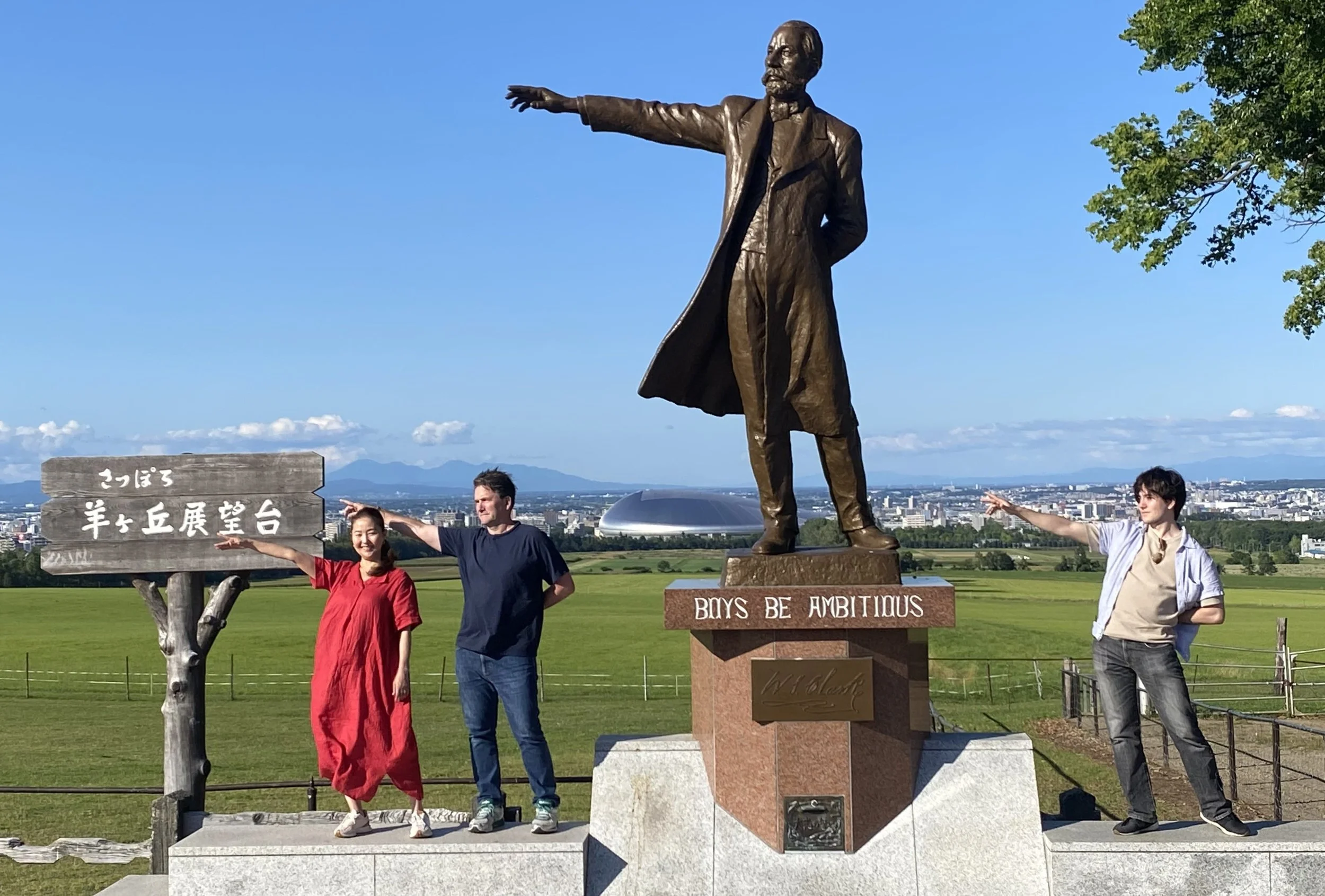
Jomo with his family at the famous Dr. Clark statue in Hokkaido.
“I thought about doing some contracting work with the federal government. That way, I could potentially be abroad, and the job security seemed appealing. Everything seemed good - I had a job offer with the Navy and just got my security clearance. Then around January of 2025, plans changed, and my position wasn't needed anymore. These things happen unfortunately, but destiny always seems to point you in the right direction.”
Jomo was done chasing opportunities for a bit. He and his wife were thinking of moving back to Japan to be closer to their kids and her family, and they agreed Hokkaido would be a great location to live. While looking for a home to live in, he met up with Hokkaido Hobby Homes founder Jacob Rashid. As the two got to know each other, Rashid noticed Jomo was asking all the right questions and more importantly was invested in not just living in Hokkaido but integrating with locals and preserving its unique culture. He was offered a position with the company and now helps others call Hokkaido home as well.
“Hokkaido appeals to many kinds of people, obviously there's the skiing and how different the landscape is from the rest of Japan. Hokkaido is still a young prefecture and it attracts people with a very frontier spirit. We work with everyone, from the multi-generational families looking for a second home and management of their former Akiya...to avid skiers or businesses looking for a foothold in Japan.”
For newcomers, there is a lot to navigate not just logistically but culturally as well and we want to respect that. There are many people like me, former JETs, that fell in love with Japan and want to live here in some capacity, and I’m happy to be a part of that.”
What advice do you have for JETs?
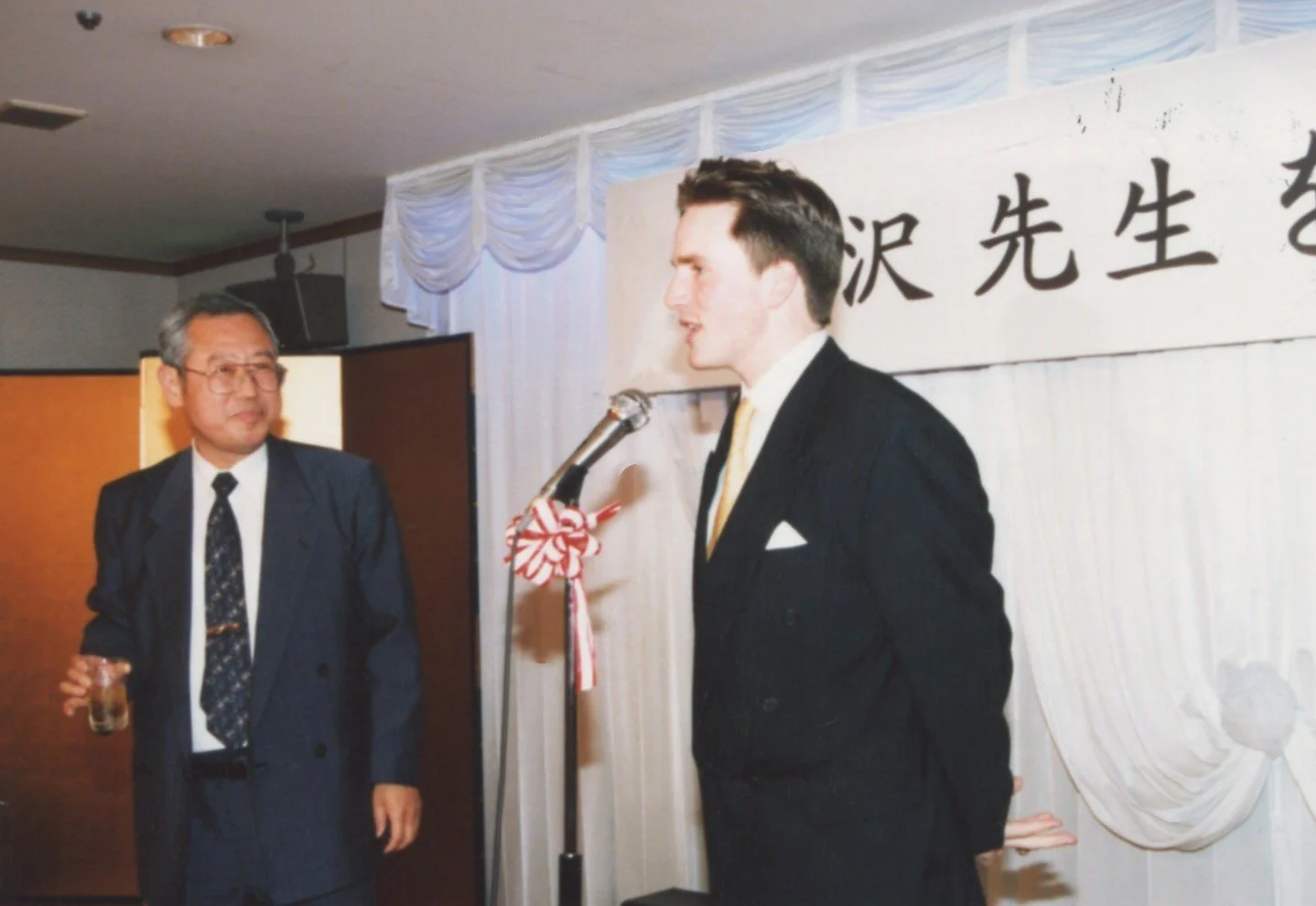
Jomo giving his farewell speech at the conclusion of his time on JET.
“My story is a story of transferable skills - those are going to take you far in life. These are things no one can take away from you. Your language learning accomplishments, your cross-cultural competence, your unique point of view. During your years as an ALT be careful not to link all the cultural differences and difficulties you may experience in Japan and as a JET too heavily on Japan. Remember that you are also in the midst of creating your own ‘personal culture’ post-college as an independent individual trying to find your path forward in a career, love, and life.
This ‘personal culture’ is different from the first 18 years living at home in your family's culture, and the last four as a university student still tethered to your family’s and hometown community's culture. Take it all in the context of the bigger picture and adventure of life, and this may provide you some comfort during the difficult times as a JET.”
About Jomo Mulholland (Kanagawa, 1994-1995)
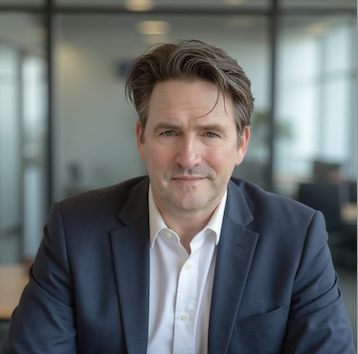
Jomo Mulholland (Kanagawa, 1994-95) is currently an international real estate sales agent at Hokkaido Hobby Homes in Otaru, Japan, where he helps global clients acquire and manage second homes and investment properties. With over three decades of international business experience, he previously served as Chief Operating Officer at The Martin Group, overseeing $47 million in investments across 40 early-stage ventures and real estate projects. His diverse career spans from government procurement, luxury hospitality experience at the Four Seasons Resort Maui and Saipan, corporate re-writing/translation in Tokyo, teaching on the JET Program (1994-95 Kanagawa), to White House intern. Jomo holds a bachelor's degree in Foreign Affairs and East Asia Studies from the University of Virginia, alongside international university studies in Japan and Indonesia.
The Senpai Spotlight series is brought to you through partnership between USJETAA and AJET’s CONNECT Magazine. The series features JET alumni from the US who have made successful careers for themselves in various fields—with the goal of inspiring young JETs and JET alumni to pursue their own dreams while also offering some words of advice only a senpai could know.
If you, or someone you know, would like to be featured as a Senpai Spotlight, please reach out to us at contact@usjetaa.org.
This edition of Senpai Spotlight was written by Bobby Nawbary, a passionate writer who recently graduated with a Masters in Teaching English and found his way to Aomori with the JET Program. His interest in language and culture has led him to volunteer within State Department cultural exchanges and international student programs. He currently serves National AJET as Director of Professional and Educational Development and enjoys presenting his research at various conferences which involves helping students transition into higher education and become lifelong language learners. You can see more from Bobby at Good Morning Aomori, a long-standing JET-run publication.
