
The All-Around Professional Bringing Omotenashi to Texas
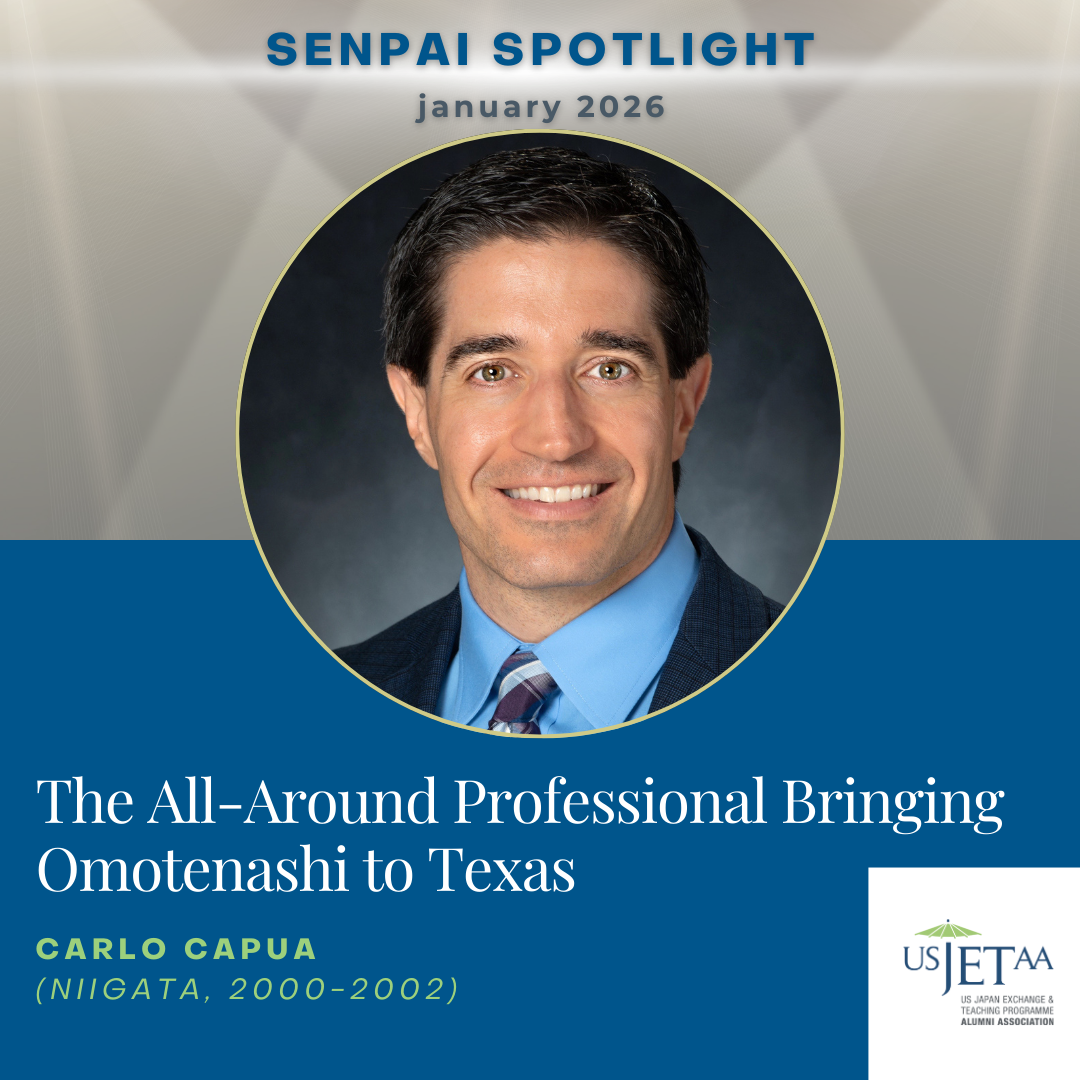
Carlo Capua (Niigata, 2000-2002)
Interviewed by Rashaad Jorden (Yamagata, 2008-2010 & Kochi, 2018-2020)
A 15-year-old Carlo Capua wasn’t thrilled when his mother suggested he try a program one summer that was mentioned in a certain pamphlet that arrived at their house.
“I said, ‘Mom, that sounds terrible. I wanna go play sports — baseball or soccer.’” Capua, a native of Fort Worth, Texas, stated.
“And she said, ‘Just give it a shot. It’s just two weeks over the summer. I think you’ll enjoy it.’”
Boy, did he ever enjoy his time at the International Leadership Academy, which brought young people from Fort Worth’s sister cities to Texas.
“Those two weeks totally changed the trajectory of my life. I met young people from Indonesia, Hungary, Germany, Italy, and Japan,” Capua said. “And for some reason, I just struck a real kinship with the Japanese students. They were polite. They were respectful … They were very endearing to our whole group.”
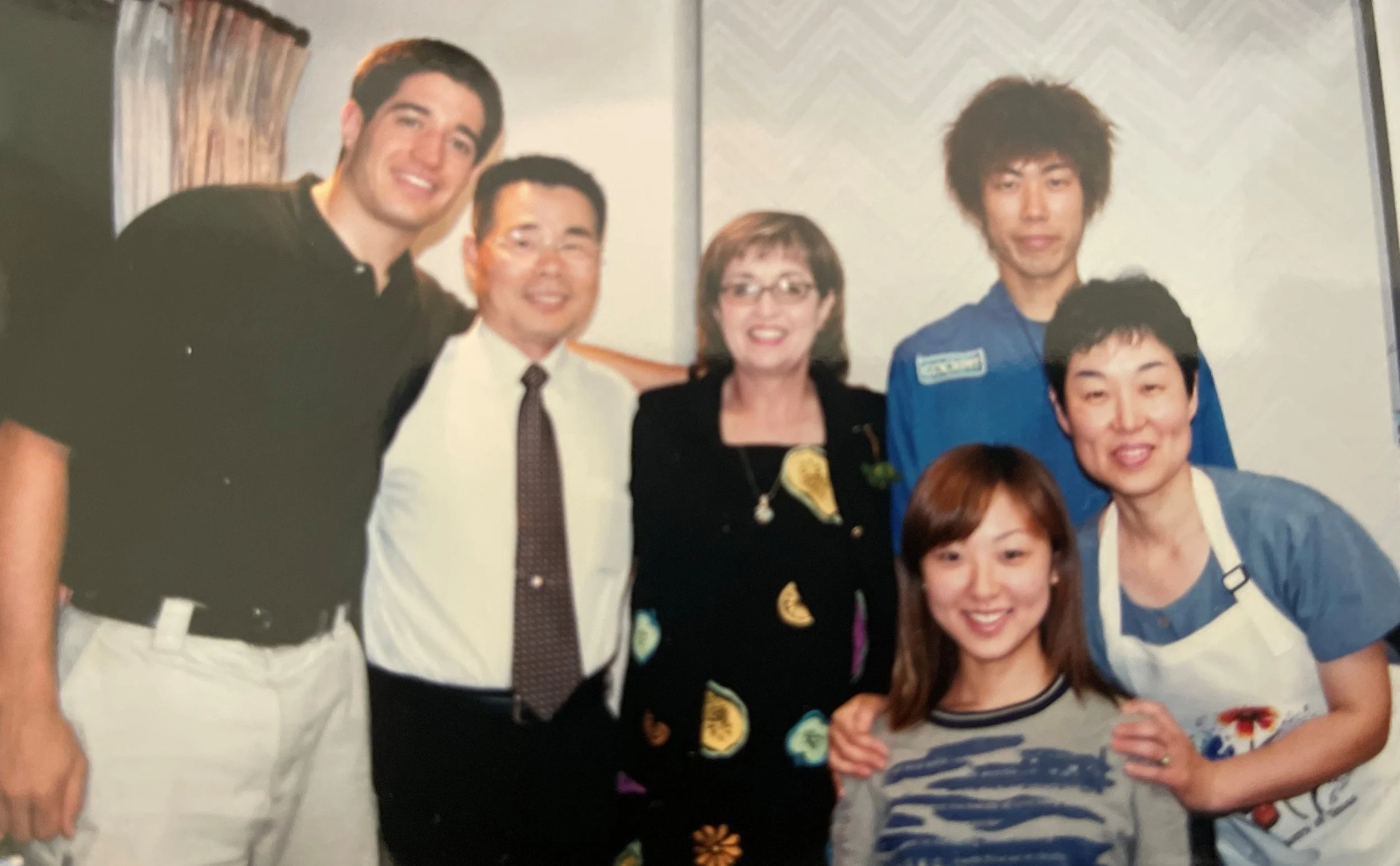
Carlo with his mother and host family in 1999.
Inspired by that unforgettable summer, Capua decided to take on a foreign language he viewed as challenging to satisfy a college requirement — a Japanese class. After falling in love with the language, which he ended up minoring in, he decided to study abroad in Fort Worth’s sister city in Japan, Nagaoka, Niigata Prefecture, where he spent a month during the summer of 1999.
And after graduating from Texas Christian University (where he obtained a Bachelor of Business Administration in Marketing with a minor in Japanese), Capua’s Japanese professor presented him with a choice: study the language in Fort Worth or in Japan. She told him about the JET Program. Capua applied for it and requested to be placed in Nagaoka.
He was accepted into JET, and his request was granted. “It was just the perfect match,” he said about returning to the city home to the host family that has remained dear to his heart.
Capua said the most memorable part of his JET experience involved a volunteer trip to Papua New Guinea with some other Niigata Prefecture JETs. “We came back to Japan, collected 100,000 school supplies from our schools in Niigata, and returned to PNG to personally deliver them to the students in the very remote village,” he said.
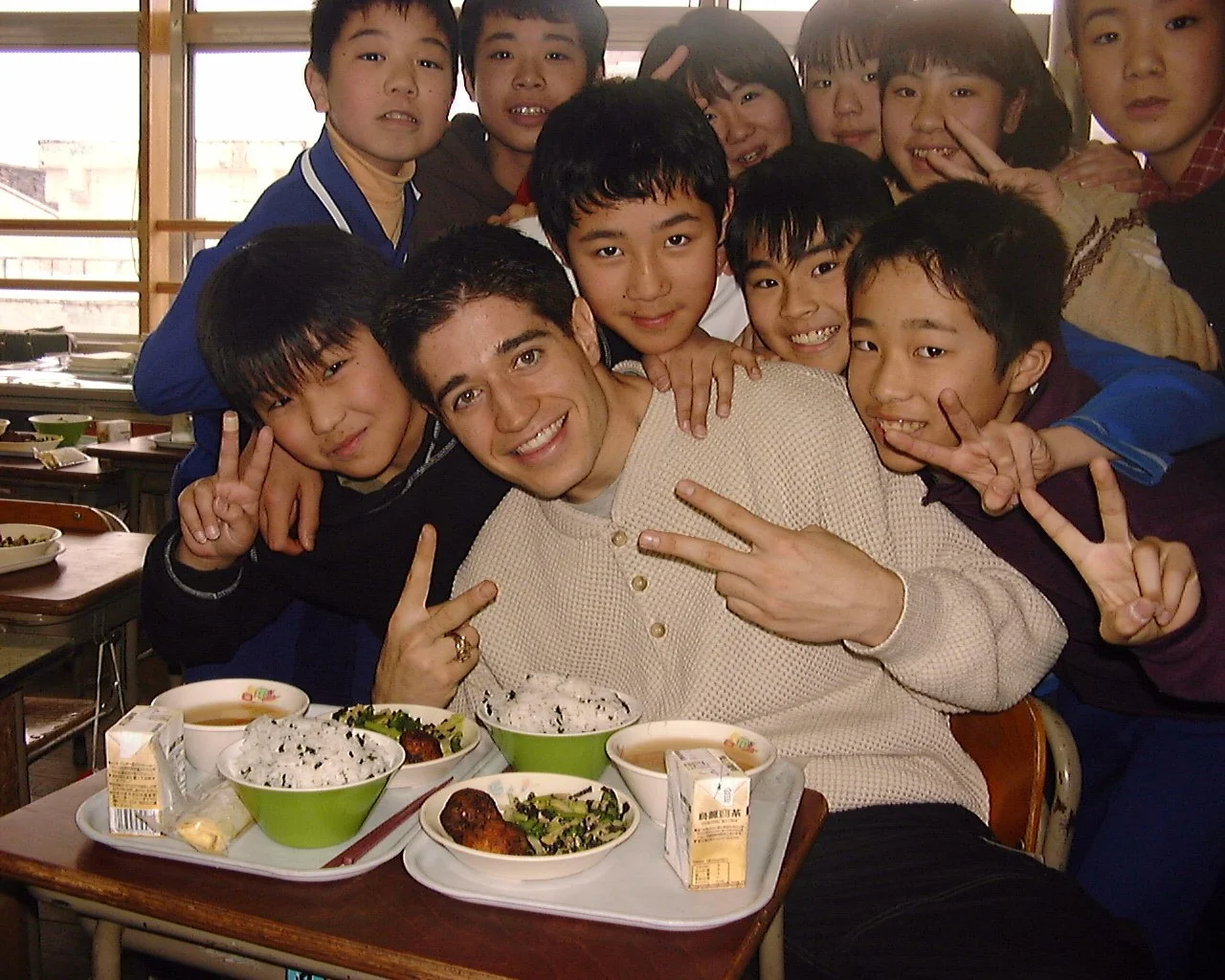
Carlo with his students at Saka no Ue Shougakkou in Niigata on JET.
After teaching on JET from 2000 to 2002, Capua worked for Nagaoka’s International Affairs Office for a year and a half, providing assistance for the city’s international residents as well as teaching English on the side. Eager to continue living abroad and learn another language, he then took his talents to Mexico, where he landed a job as an English teacher in addition to pursuing his studies at the Toluca campus of Monterrey Tech.
“Mexico was the antithesis of Japan in so many ways,” Capua said. “Functionally, very opposite, but (the) people are so proud of their culture.”
“Mexico was really fun because it was so unpredictable. In Japan, everything was predictable — down to what time the bōnenkai was going to end … In Mexico, the party won’t start until two hours after the invitation says, and it might go all night.”
Capua has worked extensively for his hometown, playing a key role in the city’s successful candidacy to be a base camp for the 2026 FIFA World Cup — including conducting a tour of Fort Worth for the organization’s officials. He said the city reached into the concept of omotenashi that is so present in Japan.
“When FIFA came, we knew we had to sell them on Fort Worth,” Capua said, adding that city authorities rolled out the red carpet for officials from world soccer’s governing body and gave them gifts in a practice similar to one that takes place in Japan.
“Everybody knows Dallas, but we wanted to get some of the events and action in Fort Worth.”
Spreading the word about Fort Worth is one of his biggest goals. Capua, who once served as Fort Worth’s chief of strategy and innovation, notes one of his biggest achievements with the city was making Fort Worth the first U.S. city government to mine bitcoin.
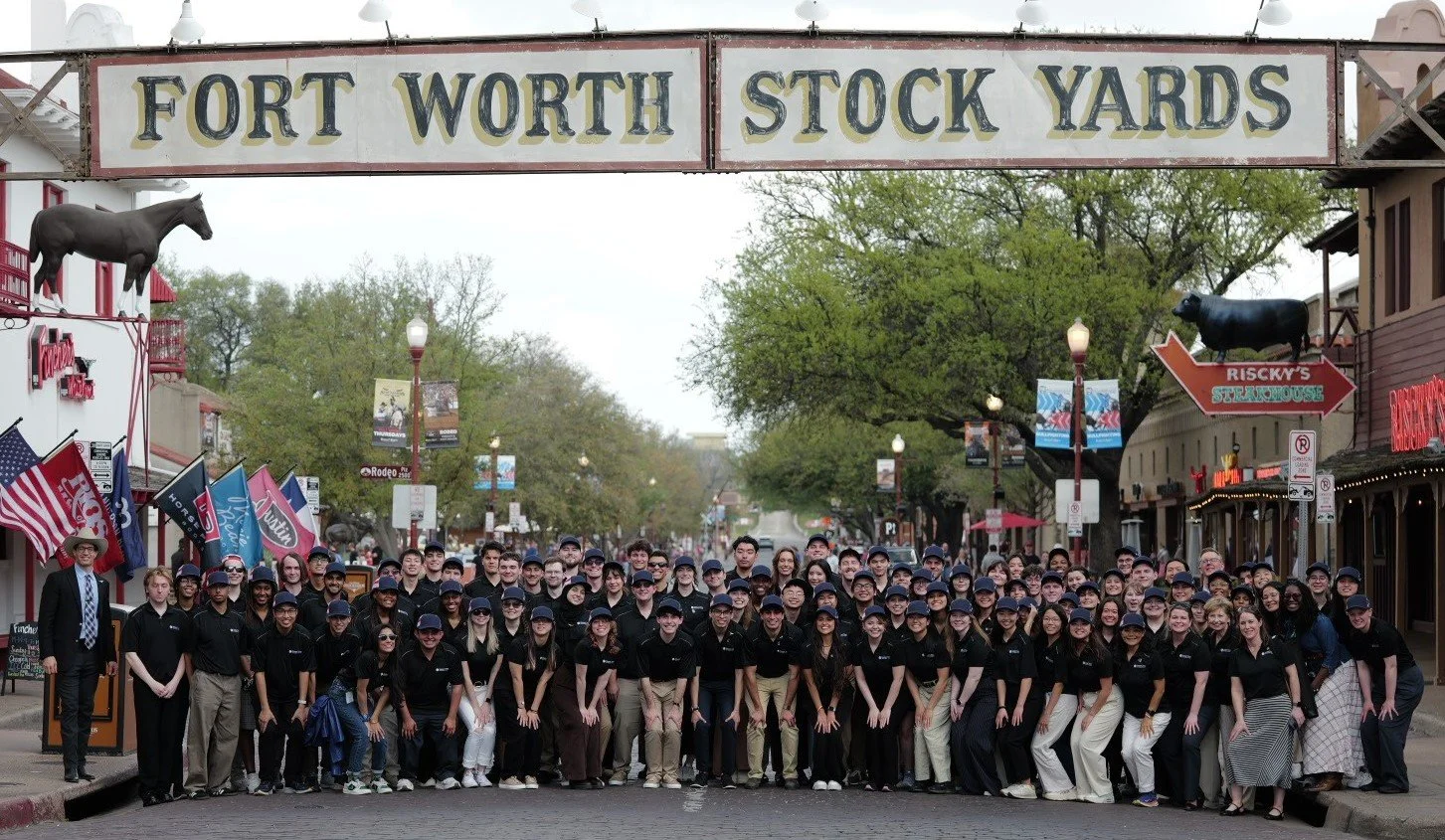
Carlo (far left in cowboy hat) and the Youth Ambassadors for the 2025 Osaka Expo.
“My dream has always been that by the time I die, Fort Worth will be considered a truly international city,” Capua said, adding he believes the most international thing about Fort Worth is probably that its initials appear in the name of DFW International Airport.
Speaking of internationalization, Capua currently serves as the Chair of Sister Cities International, where his focus is on strengthening bridges between the U.S. and the priority areas of Japan, Africa, and the Pacific Islands. He notes Japan and the U.S., which are celebrating their 170th anniversary of diplomatic relations this year, have more sister cities relationships than any other two countries — 465.
But that work at Sister Cities International may not be as challenging as studying at Harvard, where he obtained a Master’s degree in International Relations. Capua says his wife encouraged and inspired him to further his education.
“I saw how hard but how rewarding it was, how many doors it opened, how her network increased, and how it challenged her,” he said about his wife’s advanced studies.
“It’s the same thing. ‘Why did I study Japanese?’ It was hard, it was challenging. And (that) made it enticing.”
He did one of his Master’s papers on Japanese-American reparations, from which he learned an enormous amount about incarceration camps and the Nisei. That research led him to his Master’s capstone on African-American reparations that used Japanese-American reparations as a model and a comparative.
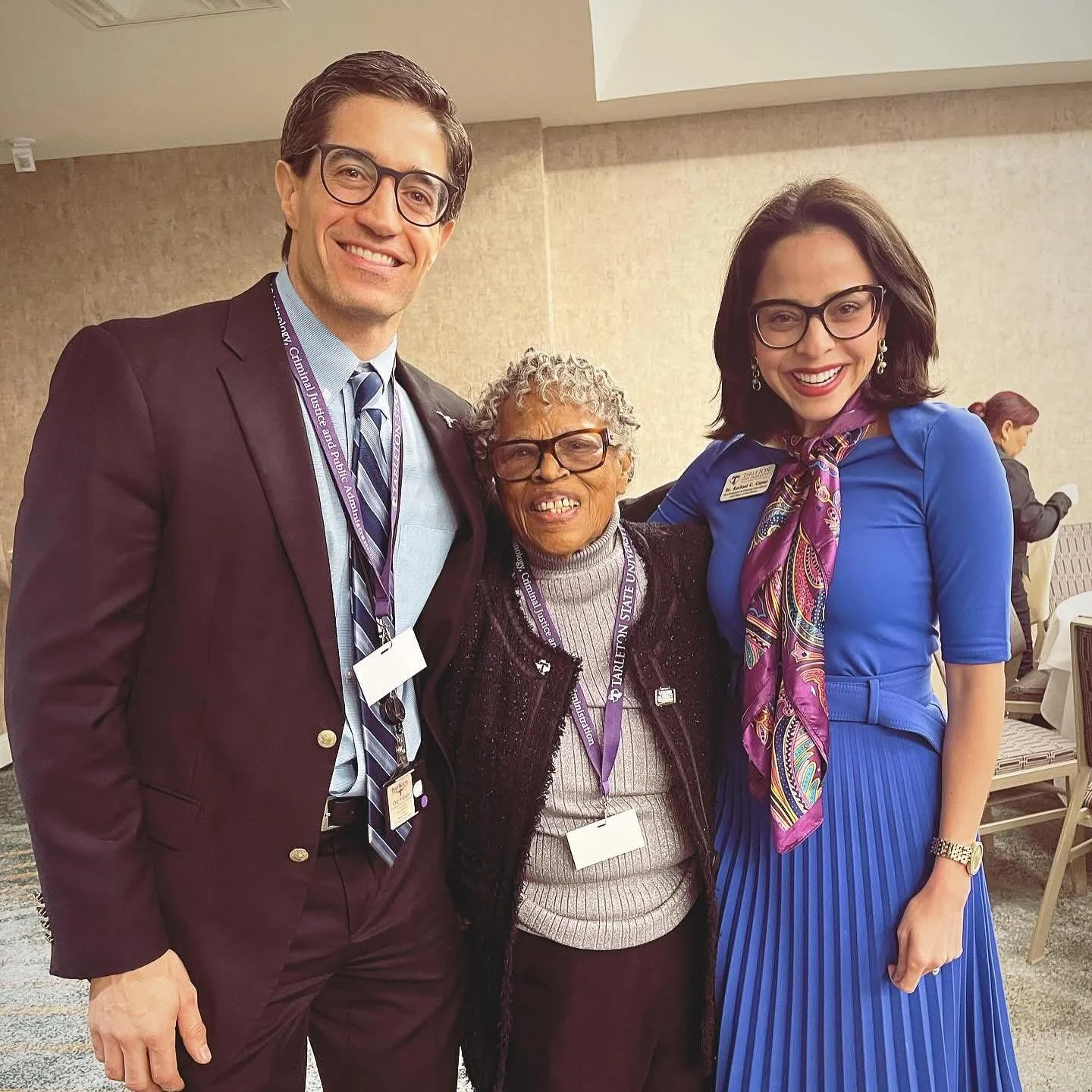
Carlo, Opal Lee, and Carlo’s wife, Dr. Rachael Capua.
“It gave me such a deeper understanding of race relations and historical context here in my own country,” Capua said.
“Isn’t it ironic (that) looking at Japanese-American reparations would eventually help me have a better understanding of myself, my country, and my role in it? And it’s opened up tremendous doors for me.”
Capua certainly has no shortage of duties on his plate, which include serving as a senior principal of the Rainwater Charitable Foundation. He credits the JET Program and his experiences abroad for shaping his work to make people feel at home in Fort Worth.
“I know how hard it is to live in another culture, another country,” Capua said. “Studying in another language? That’s so hard, (and) most people will never understand that.”
“I really try to make people feel welcome who may not be from the U.S. or from Texas or Fort Worth. That omotenashi — the Japanese hospitality that they do better than everybody else — I try to bring a little bit of that back here for our guests that are here in our country, our states, and cities.”
About Carlo Capua (Niigata, 2000-2002)
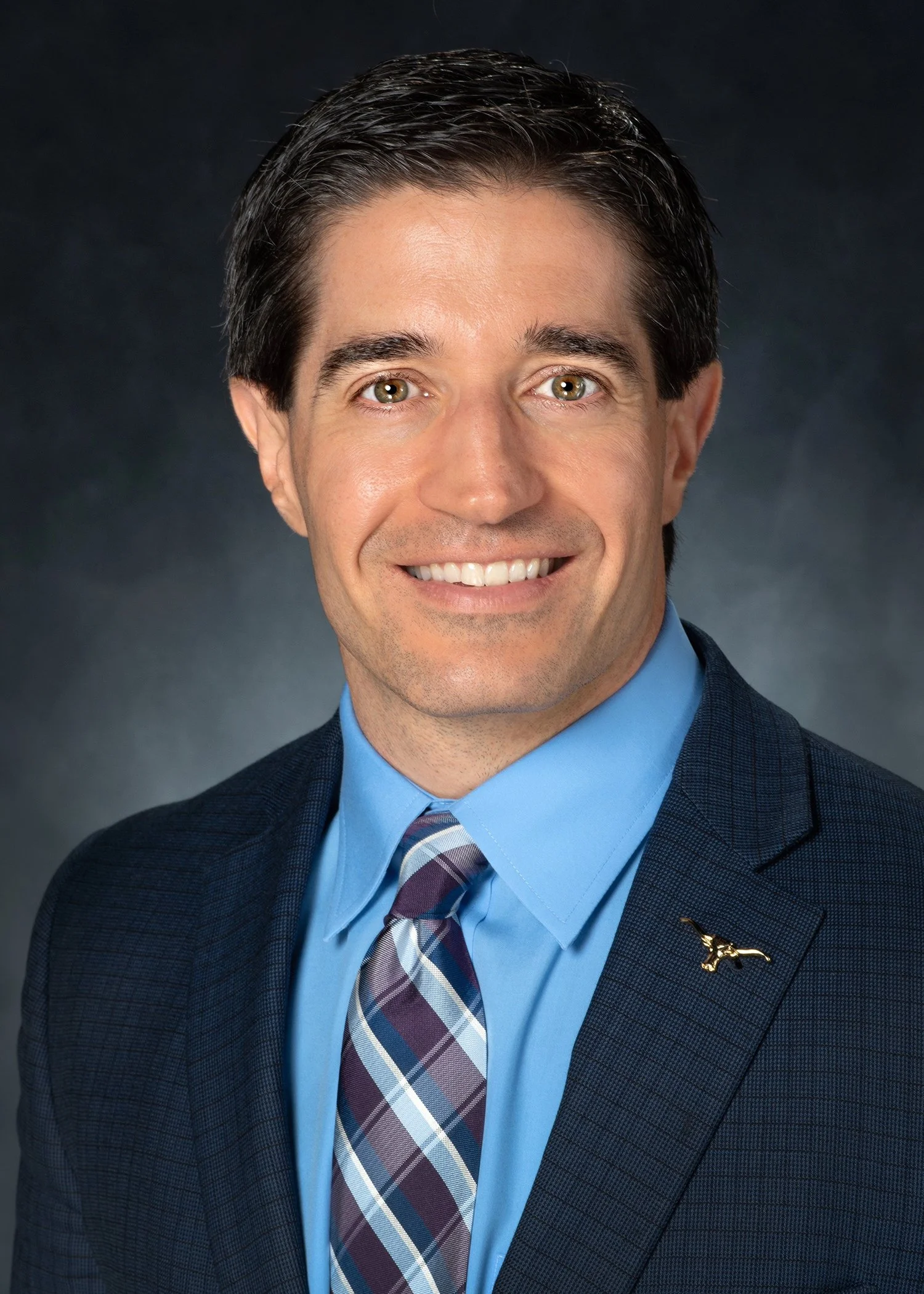
Carlo Capua, a native of Fort Worth, is a Senior Principal at the Rainwater Charitable Foundation, a nonprofit focused on funding transformational change in education and medical research. Previously, he served as Chief of Strategy and Innovation for the City of Fort Worth, the fastest-growing large city in the U.S. After earning a business degree from Texas Christian University in 2000, Carlo taught English for seven years in Fort Worth's Sister Cities in Niigata, Japan through the JET Program and Mexico. In 2022, he graduated with a master's from Harvard University. He is past president of the Rotary Club of Fort Worth and current chair of the national board of Sister Cities International. A sought-after speaker and emcee, Carlo is fluent in Spanish and Japanese. As one of Fort Worth's first social entrepreneurs, Carlo founded businesses that created 165 jobs for low-income men and women over 13 years, and fed 150,000 food-insecure people during COVID. In 2018, the Fort Worth Hispanic Chamber of Commerce named him "Businessman of the Year." A lover of sports, Carlo has completed 18 marathons (including one in North Korea!) an Ironman Triathlon, and is a competitive master's CrossFit athlete and powerlifter. He is married to Rachael Capua ("Dr. Cap") and they live in Fort Worth, Texas.
The Senpai Spotlight series features JET alumni from the US who have made successful careers for themselves in various fields—with the goal of inspiring JETs and JET alumni to pursue their own dreams while also offering some words of advice only a senpai could know.
If you, or someone you know, would like to be featured as a Senpai Spotlight, please reach out to us at contact@usjetaa.org.

This edition of Senpai Spotlight was written by Rashaad Jorden, a two-time JET Program ALT (Yamagata, 2008-2010 & Kochi, 2018-2020). During his second JET stint, he was the General Sports Editor for AJET CONNECT Magazine. As working for CONNECT was one of the most enjoyable aspects of his JET experience, he’s eagerly contributing again to a community that he treasures.
